
Blog
Cultural insights into the role of gambling in society

Cultural insights into the role of gambling in society
Historical Context of Gambling
Gambling has been a part of human culture for centuries, with roots tracing back to ancient civilizations. The earliest known evidence of gambling activities can be found in artifacts from China, dating as far back as 2300 BCE. This historical backdrop showcases how gambling has evolved over time, reflecting societal values, economic conditions, and cultural practices. In many ancient cultures, gambling was often tied to religious rituals and was viewed as a way to connect with the divine. For those interested in current gambling trends, https://bikepoc.com/ offers insights into the modern landscape.
As societies progressed, gambling transformed from a sacred practice into a popular form of entertainment. The Roman Empire, for instance, embraced gambling through various games and betting activities, which became widely accepted among different social classes. This transition marked the beginning of gambling as a mainstream activity, influencing its role in contemporary society.
Psychological Effects of Gambling
The psychological impact of gambling can be profound and multifaceted. For many individuals, gambling offers an escape from daily stressors and a source of excitement. The thrill of potentially winning can trigger a surge of dopamine, reinforcing the desire to gamble. This psychological reward system can create a compelling cycle that keeps individuals engaged, often leading to compulsive gambling behaviors. Understanding these psychological effects is crucial for promoting responsible gambling practices within society.
However, the dark side of these psychological effects cannot be ignored. Many gamblers experience significant emotional and mental health challenges, including anxiety and depression. The pressure to recoup losses can lead to destructive behaviors, impacting personal relationships and overall well-being.
Gambling and Social Interaction
Gambling serves as a social catalyst, bringing people together for shared experiences. In various cultures, playing games of chance is often a communal activity, fostering connections among friends and family. Whether it’s a night at the casino or a game of poker at home, these interactions can enhance social bonds and create lasting memories.
However, social dynamics surrounding gambling can vary widely. In some cultures, gambling may be viewed with skepticism or stigma, while in others, it is celebrated as a festive activity. This dichotomy highlights the importance of understanding cultural perspectives when discussing the role of gambling in society.
Economic Implications of Gambling
The economic impact of gambling is significant and can vary from region to region. In many societies, gambling generates substantial revenue through taxes and job creation, benefiting local economies. The presence of casinos and betting establishments often leads to increased tourism, further bolstering economic growth.
Conversely, the economic benefits of gambling must be weighed against potential social costs, such as addiction and crime. Striking a balance between economic gain and social responsibility is crucial for ensuring that gambling remains a positive force in society rather than a detrimental one.
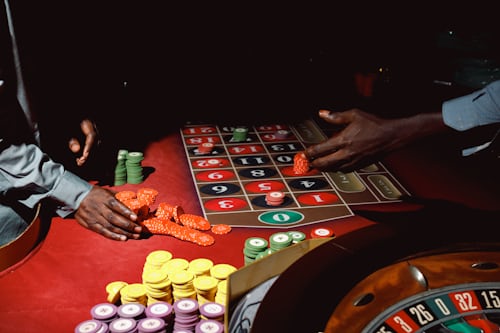
Exploring Safe Gambling Practices Online
In today’s digital age, online gambling has gained immense popularity, offering convenience and accessibility to players worldwide. However, with this growth comes the responsibility to promote safe and responsible gambling practices. Many platforms prioritize player safety and provide resources for individuals who may be struggling with gambling addiction.
For those seeking a rewarding online gambling experience, it is essential to choose trusted platforms that emphasize quick payouts and secure transactions. By offering comprehensive insights into responsible gambling, players can make informed choices that enhance their enjoyment while minimizing risks associated with gambling.